
Understanding CBD Roll-Ons for Pain Relief
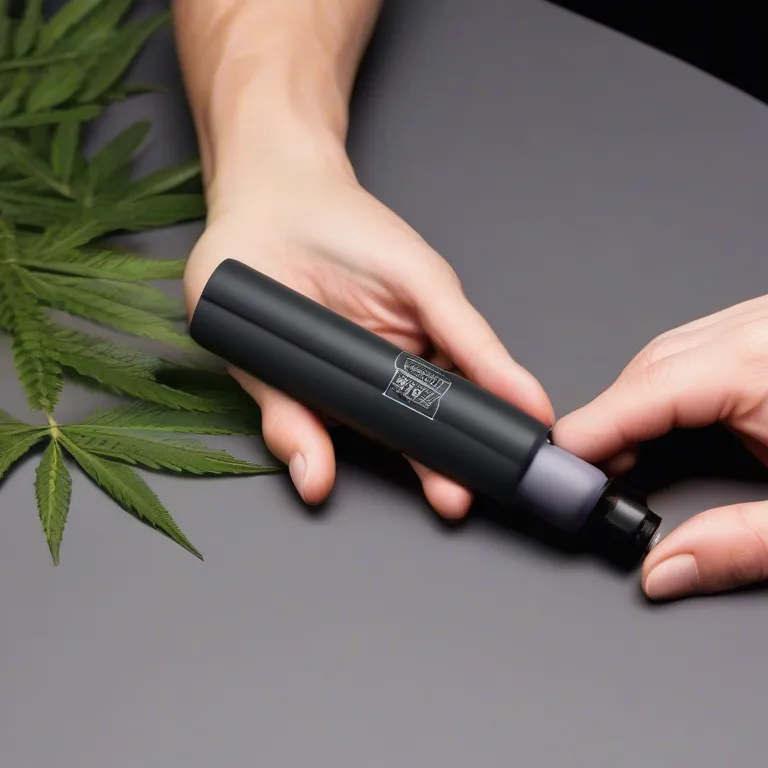
If you are exploring natural methods for managing chronic discomfort, understanding the different forms of CBD is crucial. CBD roll-ons are a convenient, topical delivery system designed to apply concentrated CBD oil directly to the skin. Unlike edibles or tinctures, which are ingested and processed by the liver, roll-ons are formulated to work on the surface, making them a highly localized treatment option.
The key difference lies in the method of absorption. When you take oral CBD, it enters your bloodstream through the digestive tract, which means it circulates throughout your entire body. CBD roll-ons, however, are designed for transdermal absorption. This process means the CBD penetrates the skin barrier and enters the underlying tissues. This mechanism is ideal for localized pain because it allows the active compounds to concentrate precisely where the discomfort is—be it in the knees, neck, or shoulders—rather than simply circulating throughout the system.
This targeted delivery system offers several practical advantages. By applying the oil directly to the site of pain, you maximize the concentration of CBD at the source, potentially leading to faster and more noticeable relief compared to systemic absorption. Furthermore, because the CBD is absorbed through the skin, it bypasses some of the metabolic processes in the liver, which can sometimes affect the bioavailability of oral supplements.
When choosing a roll-on for pain relief, formulation matters immensely. Not all roll-ons are created equal. Look for products that specify their absorption rate and carrier oils. A high-quality product will often include complementary ingredients—such as arnica, menthol, or capsaicin—which are known for their own anti-inflammatory properties and help enhance the penetration of the CBD itself.
Buying Advice: Since the efficacy of a roll-on depends heavily on its formulation, always check the label for the concentration of CBD (measured in milligrams) and the type of oil base used. If you are dealing with severe, deep-seated pain, consider products that are marketed for deep tissue penetration, as these are formulated to achieve deeper absorption than simple surface rubs.
How CBD Works to Target Pain (The Science)
To understand how CBD provides relief, you must first understand the body’s intricate communication network: the endocannabinoid system (ECS). The ECS is not a single receptor but a complex system of receptors, enzymes, and neurotransmitters that regulate vital functions, including immune response, sleep, and pain perception. CBD (cannabidiol) is a naturally occurring compound that does not directly mimic THC; instead, it acts as a modulator, gently interacting with the ECS to help bring the system back into balance.
The primary mechanism of action for CBD in pain relief is twofold: reducing inflammation and modulating pain signals. When the body experiences injury or chronic stress, inflammation is triggered, which in turn sensitizes the surrounding nerves, amplifying the pain signal. CBD is known for its potent anti-inflammatory properties, helping to calm this underlying inflammatory response. Furthermore, it interacts with the body’s receptors—particularly the CB1 and CB2 receptors—to modulate the transmission of pain signals themselves, effectively turning down the volume on discomfort.
This mechanism sets CBD apart from traditional pain relievers like NSAIDs (non-steroidal anti-inflammatory drugs). While NSAIDs primarily work by blocking specific enzymes (COX-2) to reduce inflammation, CBD offers a broader, systemic approach. It addresses the root causes of pain—inflammation and nerve signaling—rather than just masking the symptoms. This holistic action is why many users find CBD beneficial for chronic, complex pain conditions where inflammation is a key component.
When choosing a CBD roll-on for pain relief, consider the concentration and the carrier oil. Since roll-ons are designed for localized application, look for products that specify the type of CBD isolate used and ensure the carrier oil is suitable for your skin type. For optimal results, always check the product's bioavailability claims and look for third-party lab reports to verify the CBD content and purity.
Choosing the Right CBD Roll-On: Key Buying Criteria
When navigating the market for CBD roll-on pain relief, the sheer variety of products can be overwhelming. To ensure you are investing in a product that genuinely supports your wellness goals, it is crucial to evaluate several key criteria. Think of this process as building a personalized regimen, not just buying a bottle.
1. Understanding the CBD Spectrum: Not all CBD products are the same. Determine if you need a full-spectrum, broad-spectrum, or isolated CBD. Full-spectrum oils contain the entire plant profile, including beneficial terpenes and minor cannabinoids, which are often believed to enhance the overall effect (the "entourage effect"). If you are sensitive to other compounds, a broad-spectrum option might be a safer starting point. If you are looking for a highly standardized dose, an isolate might be better.
2. Potency and Concentration: The concentration of CBD (measured in milligrams per dose) is perhaps the most critical factor. Always check the label to understand the potency. Furthermore, consider the total CBD content per ounce or bottle. For chronic pain relief, a higher concentration may be necessary, but this must be balanced with the overall absorption rate of the carrier oil.
3. The Importance of Carrier Oils and Additives: The base oil dictates how well the CBD is absorbed into the skin. Many brands use carrier oils like jojoba, coconut, or hemp seed oil. Some oils are better for deep penetration than others. Additionally, look out for added ingredients. Are they essential oils (like peppermint or arnica) that complement the CBD, or are they simply for scent? A good product will list these ingredients clearly.
4. Prioritizing Purity and Testing: This is arguably the most important step. Always verify that the brand provides third-party lab reports (Certificate of Analysis, or COA). These reports confirm the product’s purity, ensuring it is free from heavy metals, pesticides, and, critically, that the stated CBD content matches the actual amount. Never buy a product without access to its COA.
Buying Advice: Start slow. When first trying a CBD roll-on for pain relief, begin with a lower dose to gauge your body's response. If the product is highly concentrated, it may be too much initially. By focusing on these four areas—spectrum, potency, carrier, and purity—you can move beyond marketing hype and select a product that genuinely meets your needs.
CBD Roll-On Pain Relief for Specific Ailments
One of the greatest benefits of CBD roll-ons is their targeted application, allowing you to treat specific areas of discomfort rather than just masking general aches. To help you determine if a roll-on is the right solution, we’ve broken down common use cases.
For Joint Stiffness and Arthritis: If your primary concern is the deep, persistent ache associated with arthritis or general joint stiffness, a roll-on applied directly to the affected joints (knees, wrists, shoulders) is highly effective. The localized application ensures that the CBD is concentrated exactly where the inflammation is highest. Look for formulas that include anti-inflammatory boosters like arnica or turmeric to maximize the effect.
Muscle Soreness and Post-Workout Recovery: For acute pain, such as soreness after a heavy workout or strain, the roll-on acts as a direct topical analgesic. Unlike oral CBD, which takes time to enter the bloodstream, the roll-on provides rapid absorption into the skin layers. Applying it immediately after exercise helps promote faster recovery and reduces the severity of delayed onset muscle soreness (DOMS).
Nerve Pain and Sciatica: When dealing with radiating pain, such as sciatica or peripheral neuropathy, the goal is often to calm the nerve itself. In these cases, it’s crucial to look for roll-ons formulated with ingredients known to support nerve health, such as B vitamins or magnesium, alongside the CBD. Applying the product along the path of the nerve helps deliver the therapeutic compounds directly to the source of the irritation.
General Tension and Headaches: While not a primary treatment for severe headaches, a roll-on can be excellent for tension headaches or general muscular tension in the neck and shoulders. Applying the product to the base of the skull or the trapezius muscles can promote deep relaxation and ease the tightness that contributes to tension headaches.
Buying Advice: Choosing the Right Formula When selecting a roll-on, don't just focus on the CBD content. Consider the carrier oil and the overall formulation. If you have sensitive skin, opt for products with jojoba or coconut oil bases. If you are looking for maximum potency, check for products that specify their full spectrum content, ensuring they include other beneficial cannabinoids and terpenes that enhance the overall therapeutic effect.
Safety, Side Effects, and Best Practices
While CBD roll-ons are generally considered safe, understanding their proper use is crucial for maximizing pain relief and minimizing risks. Because CBD is absorbed topically, it is less likely to cause systemic side effects than oral consumption, but interactions and proper application techniques still matter.
Understanding Interactions and Dosage Always assume that CBD products can interact with other medications. If you are taking blood thinners, anti-seizure medications, or any drugs metabolized by the liver, consult your healthcare provider before starting a new regimen. Dosage is highly individualized; start with the lowest recommended concentration and gradually increase it. Never assume that because a product is natural that it is harmless—always follow the manufacturer’s guidelines for application frequency.
Optimizing Application Techniques The way you apply the roll-on can affect its efficacy. For deep muscle pain, a massage technique is often recommended, as the physical action helps drive the CBD deeper into the tissue. For areas with superficial discomfort, direct application is sufficient. Always ensure the skin is clean and dry to maximize absorption. If your skin is sensitive, perform a patch test on an inconspicuous area first.
Safety Guidelines and When to Consult Potential side effects are usually mild and localized, such as redness or irritation. If you experience excessive burning, itching, or rash, discontinue use immediately. It is essential to consult a doctor if: 1) You are pregnant or breastfeeding, 2) You have liver or kidney disease, 3) You are diabetic, or 4) You are unsure of the appropriate dosage for your specific condition.
Buying Advice for Optimal Results When purchasing a roll-on, look for products that specify their carrier oils (such as jojoba or coconut oil). High-quality products will also disclose the exact concentration of CBD and the source of the cannabinoid. Furthermore, check for third-party lab reports to ensure the product is accurately labeled and free from contaminants.
Frequently Asked Questions (FAQ)
How quickly do CBD roll-ons work for pain relief? CBD roll-ons are designed for localized application, meaning they are absorbed directly into the skin. Because of this direct route, many users report feeling effects relatively quickly—often within 30 minutes to an hour. However, the onset time can vary significantly depending on the specific area of application, the severity of the pain, and individual metabolism. For optimal results, consistency is key, and some users find that regular application builds a more sustained effect.
Are CBD roll-ons safe, and are there side effects? CBD is generally considered safe, but it is not risk-free. Potential side effects can include mild irritation at the application site, especially if the product contains strong essential oils or alcohol. It is crucial to perform a patch test on a small area of skin before using the roll-on widely. Furthermore, CBD can interact with other medications, particularly those metabolized by the liver. Always consult your healthcare provider, especially if you are taking blood thinners, anti-seizure medications, or other prescription drugs.
What should I look for when buying a quality CBD roll-on? When shopping for CBD pain relief, quality and purity are paramount. Do not rely solely on the marketing claims. Look for products that provide the following:
- Third-Party Lab Testing: This is non-negotiable. Reputable brands will provide Certificates of Analysis (COAs) confirming the product's potency, purity, and that it is free from heavy metals, pesticides, and contaminants.
- Full Spectrum vs. Isolate: Understand what you are buying. Full-spectrum products contain the entire plant profile, while isolates contain only CBD. Both can be effective, but the best choice depends on your specific needs and budget.
- Carrier Oil: The carrier oil (such as jojoba or coconut oil) determines how well the CBD penetrates the skin. High-quality products will use premium, skin-friendly oils.
Do I need to take CBD roll-ons with other supplements? While CBD is generally well-tolerated, it is wise to monitor your intake. If you are already taking a complex regimen of supplements, it is best to start with a low dose of the CBD roll-on and gradually increase it. This allows you to identify if any specific supplement is interacting negatively with the CBD. Always keep a detailed log of your symptoms and dosage adjustments to track effectiveness and safety.
Final Buying Advice: Choosing Your Perfect CBD Roll-On
Selecting the right CBD roll-on depends entirely on your specific needs, lifestyle, and budget. To simplify your decision, we’ve broken down the best options based on common user profiles, ensuring you find a product that delivers maximum value and efficacy.
Best for Beginners (The Gentle Start): If you are new to CBD or are sensitive to potent compounds, start with a product that has a lower concentration (typically 50–100mg total CBD per application) and is formulated with calming, supportive carrier oils like magnesium or arnica. These options provide a gentle introduction to CBD relief without overwhelming the system.
Best for Athletes (The Power Punch): Athletes require rapid, deep-acting relief for acute pain, inflammation, and muscle soreness. Look for high-potency formulas (200mg+ CBD) that combine CBD with synergistic ingredients like turmeric, ginger, or menthol. These boosters enhance circulation and provide a more robust anti-inflammatory effect.
Best Budget Option (The Daily Essential): If you are looking for consistent, reliable relief without breaking the bank, prioritize products that offer a balanced, mid-range concentration (100–150mg) and are sold in multi-packs. These options provide excellent value and are ideal for daily, preventative maintenance.
General Buying Advice: What to Look For:
Beyond the profile recommendations, always check these three critical factors:
- CBD Source and Purity: Always choose products that are third-party tested. Look for COAs (Certificates of Analysis) to ensure the product is genuinely CBD-rich and free from heavy metals or contaminants.
- Carrier Oil: The carrier oil matters. Jojoba oil and hemp seed oil are excellent, skin-friendly bases.
- Absorption Rate: For deep pain relief, look for roll-ons that are designed for transdermal absorption, meaning they are formulated to penetrate the skin effectively.
Don't just buy the most expensive option. Instead, match the product's potency and formulation to your specific pain point.
Ready to find your perfect match? Compare our top-rated CBD roll-ons side-by-side to see which formulation best suits your needs, whether you're just starting out or recovering from intense physical activity. [Click Here to Compare All CBD Roll-Ons]