
Understanding CBD and Cannabidiol
At its core, CBD (cannabidiol) is a naturally occurring compound derived from the Cannabis sativa plant. It is one of the many beneficial phytochemicals found in the cannabis plant, and it is the primary active ingredient responsible for much of the oil’s therapeutic reputation. Understanding what CBD is requires distinguishing it from other compounds found in the plant, most notably THC (tetrahydrocannabinol).
The key difference lies in their chemical structure and effects. THC is the compound most famous for its psychoactive "high," while CBD is generally known for its non-intoxicating properties. While cannabis contains a spectrum of compounds—including minor cannabinoids and terpenes—CBD is often highlighted because it offers potential benefits without the strong psychoactive effects associated with THC.
To truly understand how CBD works, you must look at the body’s internal framework: the Endocannabinoid System (ECS). The ECS is a complex system that plays a crucial role in maintaining homeostasis—the body's natural balance. It is composed of receptors (CB1, CB2, etc.) found throughout the body. When CBD interacts with the ECS, it is believed to modulate these receptors, helping to restore balance and potentially mitigating symptoms related to inflammation, anxiety, and pain.
Because the cannabis plant is complex, the quality and ratio of compounds matter greatly. When purchasing CBD products, it is vital to look beyond just the CBD content. Consider the full spectrum—the presence of other minor cannabinoids and terpenes—as these compounds often work synergistically, enhancing the overall effect. Always check the product label for third-party lab reports to ensure purity and accurate dosing, as this is the most practical step in ensuring you are getting what you pay for.
Proven Benefits and Therapeutic Uses
The therapeutic potential of CBD oil, derived from the Cannabis sativa plant, is largely attributed to its interaction with the body's complex Endocannabinoid System (ECS). This system plays a crucial role in regulating various bodily functions, including mood, sleep, immune response, and pain perception. Understanding these mechanisms allows users to target specific areas of discomfort.
Anxiety and Mood Support: One of the most researched applications of cannabidiol is its role in managing anxiety. Studies suggest that CBD can modulate the activity of neurotransmitters like GABA, which helps calm the nervous system. For generalized anxiety disorder, CBD is often studied alongside traditional treatments, showing promise in reducing overall stress levels and promoting a sense of calm.
Joint Pain and Inflammation: CBD is highly valued for its potent anti-inflammatory properties. By interacting with the ECS, it can help mitigate the chronic inflammation that underlies conditions like arthritis. Research indicates that CBD can complement traditional pain relievers, offering natural relief for joint pain and muscle soreness.
Sleep Improvement: For those struggling with insomnia, CBD can act as a mild sedative. By calming the central nervous system, it can improve sleep quality, making it a valuable adjunct therapy for those whose sleep issues are linked to anxiety or chronic pain.
Understanding the Science and Buying Advice: It is crucial to approach CBD oil with scientific skepticism. While the benefits are promising, the optimal dosage varies significantly between individuals and conditions. To ensure efficacy, always look for products that provide third-party lab reports (Certificate of Analysis, or COA). This verifies the product's purity, potency, and confirms that the stated CBD concentration is accurate. Furthermore, consider the delivery method—oil, tincture, or edibles—as absorption rates can vary. When starting out, it is best to begin with a low dose and gradually work up to find the optimal therapeutic level.
Choosing the Right CBD Product and Dosage
The CBD market offers a vast array of products, and understanding which format suits your lifestyle and specific needs is the most crucial first step. There is no single "best" product; the ideal choice depends on your desired method of absorption and the area you wish to treat.
Understanding Product Formats
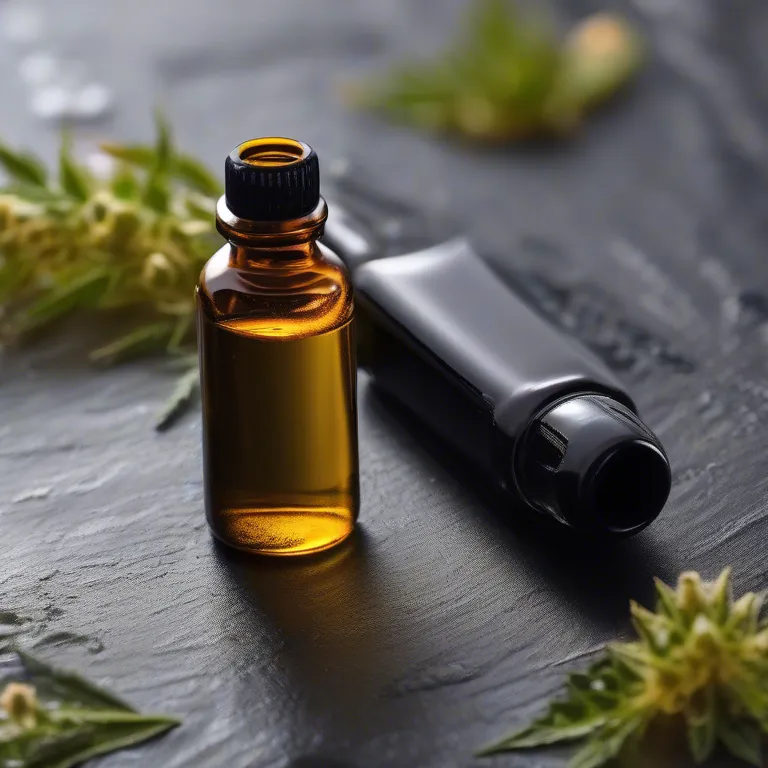
- Tinctures/Oils: These are highly versatile and are often used sublingually (under the tongue) for rapid absorption, making them excellent for systemic relief. They are ideal for those who want a precise, measurable dose.
- Gummies: Gummies offer convenience and are perfect for those who struggle with remembering to take oils or who prefer a more palatable, snack-like experience. They are great for routine, daily dosing.
- Creams and Balms: These are designed for localized relief. If your primary concern is joint pain, muscle soreness, or skin irritation, applying a topical cream directly to the area is often more effective than ingesting the oil.
- Vapes: For immediate, fast-acting relief, vaping can be beneficial, delivering cannabinoids quickly through the lungs.
Mastering the Dosage When starting out, the golden rule is to start low and go slow. Never assume that more CBD equals more benefit. Begin with a lower dose than you think you need. Over the first week, practice "titration"—meaning you gradually increase the dose until you find the optimal point where the benefits outweigh any side effects.
Keep a dosage journal to track how you feel throughout the day. If the effects fade, you may need to adjust the timing or the dose. Remember that CBD is not a cure-all; finding your personal sweet spot requires patience and consistency.
Prioritizing Purity and Potency Beyond the format, the most critical factor is purity. Always demand transparency. Look for products that provide Certificates of Analysis (COAs) from third-party labs. These documents confirm not only the exact concentration of CBD (cannabidiol) but also test for contaminants, heavy metals, and unwanted additives. Never buy a product based solely on marketing claims; always verify the numbers.
Safety, Side Effects, and Drug Interactions
While cannabidiol (CBD) oil is generally considered safe for most people when taken in recommended doses, it is crucial to approach its use with an understanding of its potential side effects and, most importantly, its interactions with other medications.
Understanding Potential Side Effects The side effects of CBD are typically mild and dose-dependent. The most commonly reported issues include dry mouth, mild stomach upset, and, most notably, drowsiness. Because CBD can interact with the body’s central nervous system, it is essential to start with a low dose and gradually work up to a higher amount to gauge your personal tolerance. If you are planning to drive or operate heavy machinery, always account for potential sedative effects.
The Critical Issue: Drug Interactions The most significant concern with CBD oil is its potential to interact with prescription medications. CBD is metabolized by the liver enzyme system, particularly the cytochrome P450 (CYP450) enzymes. This means that CBD can either speed up or slow down the metabolism of other drugs, potentially making those medications less effective or causing them to build up to toxic levels.
Because CBD can affect so many different pathways, it is impossible to provide a comprehensive list without knowing your full medical history. Never assume CBD is safe simply because it is natural. You must consult with a healthcare professional or pharmacist who can review your specific medication list. Potential interactions exist with blood thinners, anti-seizure medications, blood pressure drugs, and certain antidepressants.
Legal Status and Buying Advice The legal status of CBD varies significantly by region. In the United States, while federally legal, state regulations can differ, and the FDA continues to monitor its use. Internationally, laws vary widely, so always confirm local regulations.
When purchasing CBD oil, prioritize quality and transparency. Look for products that provide third-party lab reports (Certificate of Analysis, or COA). These reports confirm the product's potency, purity, and ensure that it is free from contaminants like heavy metals, pesticides, and excessive THC. Always remember that the quality of the oil directly impacts its safety and efficacy.
Frequently Asked Questions (FAQ)
Is CBD legal? The legality of CBD can be complex because it is governed by both federal and state laws. While the federal government has generally legalized CBD through the 2026 Farm Bill, specific state regulations regarding potency, usage, and product types can vary widely. Always verify the legality of CBD products in your specific state. When buying, ensure the retailer provides documentation confirming compliance with both federal and local regulations.
How fast does CBD work? CBD is not a quick-fix remedy; it works by modulating the body's endocannabinoid system (ECS). Because the ECS is complex, the effects of CBD can take time to build. Many users report feeling effects ranging from 30 minutes to several hours after ingestion. Consistency is key, so establishing a routine dosage is often more effective than taking a large dose sporadically.
Does CBD interact with medications? This is perhaps the most critical question. CBD is known to interact with several medications, particularly those metabolized by the liver (like blood thinners, anti-seizure drugs, and certain antidepressants). Because CBD can affect how your body processes other drugs, it is crucial to consult with your primary care physician or pharmacist before starting any regimen. Never assume safety—always get professional medical clearance.
What is the difference between full-spectrum and broad-spectrum CBD? The difference lies in the purity and variety of cannabinoids present.
- Full-Spectrum: Contains the entire "entourage effect"—meaning it includes CBD along with other beneficial compounds, including trace amounts of THC (the psychoactive component).
- Broad-Spectrum: Contains CBD and other beneficial compounds but is specifically processed to minimize or eliminate THC, making it ideal for those who need the benefits of the entourage effect without the "high."
- CBD Isolate: Contains only pure CBD.
How do I find the right dosage? There is no single "magic dose" for CBD. The optimal dosage depends entirely on the condition being treated, the individual's body weight, and their metabolism. Start low and go slow. Begin with a lower dose than you think you need, and gradually increase it over several days until you find the point where you feel maximum benefit without experiencing adverse side effects.
Buying Advice: When purchasing CBD oil, always check the Certificate of Analysis (COA). A reputable brand will provide a COA, which verifies the product's potency, purity, and confirms that it is free from heavy metals, pesticides, and contaminants.
Final Buying Advice: How to Choose the Perfect CBD Oil
Making the right purchase is the most crucial step. The CBD market is vast, and quality varies dramatically, so approach your selection like a checklist. Instead of chasing the highest dose, focus on finding the best balance between potency, purity, and suitability for your needs.
1. Potency vs. Purity: Know Your Goal Don't assume higher potency equals better results. Always prioritize purity. Look for brands that provide third-party lab reports (Certificate of Analysis, or COA). This documentation proves the product contains what it claims and, critically, shows the levels of contaminants like heavy metals, pesticides, and residual solvents. A pure, moderate-strength oil is often better than a highly potent, contaminated one.
2. Understanding the Oil Types The type of oil dictates the experience:
- Full-Spectrum: These oils contain the entire "entourage effect"—meaning they include CBD along with other beneficial cannabinoids (like CBG, CBN) and terpenes. This is often recommended for those seeking a holistic, natural effect.
- Isolated CBD: These oils contain CBD at a high concentration with minimal other compounds. They are ideal for users who are specifically targeting CBD for a known condition and want predictable dosing.
- Hemp-Derived: These are generally the most natural and often contain a broader range of beneficial compounds.
3. Brand Reputation and Transparency A reputable brand is one that is transparent. Ask yourself:
- Source: Where is the hemp grown? Is it organically farmed?
- Extraction Method: What process is used? (CO2 extraction is generally considered a gold standard for purity.)
- Customer Support: Do they offer clear guidance on dosage and usage?
4. Value: Calculating the Right Price Value isn't just about the lowest price. Consider the cost per milligram of CBD. A slightly more expensive oil that is also full-spectrum, third-party tested, and ethically sourced often provides better overall value than a cheaper, unverified product.
Actionable Checklist: Before clicking 'buy,' ensure the product listing provides: 1) Lab reports, 2) Clear instructions on dosage, and 3) A description of the oil type (full-spectrum, isolated, etc.). By focusing on these factors, you move beyond marketing hype and select a product that genuinely meets your health goals.