

I devoted a lot of time analyzing the user journey at Casino Prestige, looking at it from the perspective of a Canadian player seeking their place in a crowded online gaming market. My first impression centers on the platform’s instant visual confidence. The interface doesn’t shout at you with neon distractions. Instead, it embraces a dark, sophisticated palette that evokes a private club than a hectic digital lobby. I opened the site on a standard broadband connection in Toronto, and the load times were negligible, which is the first gentle nod to technical competence. No blurry assets, no lag during my initial scroll. That established a confident tone right away, indicating that the people behind this experience recognize that a premium feeling has to start the very instant a visitor arrives at the homepage.
UI Design and First Impressions
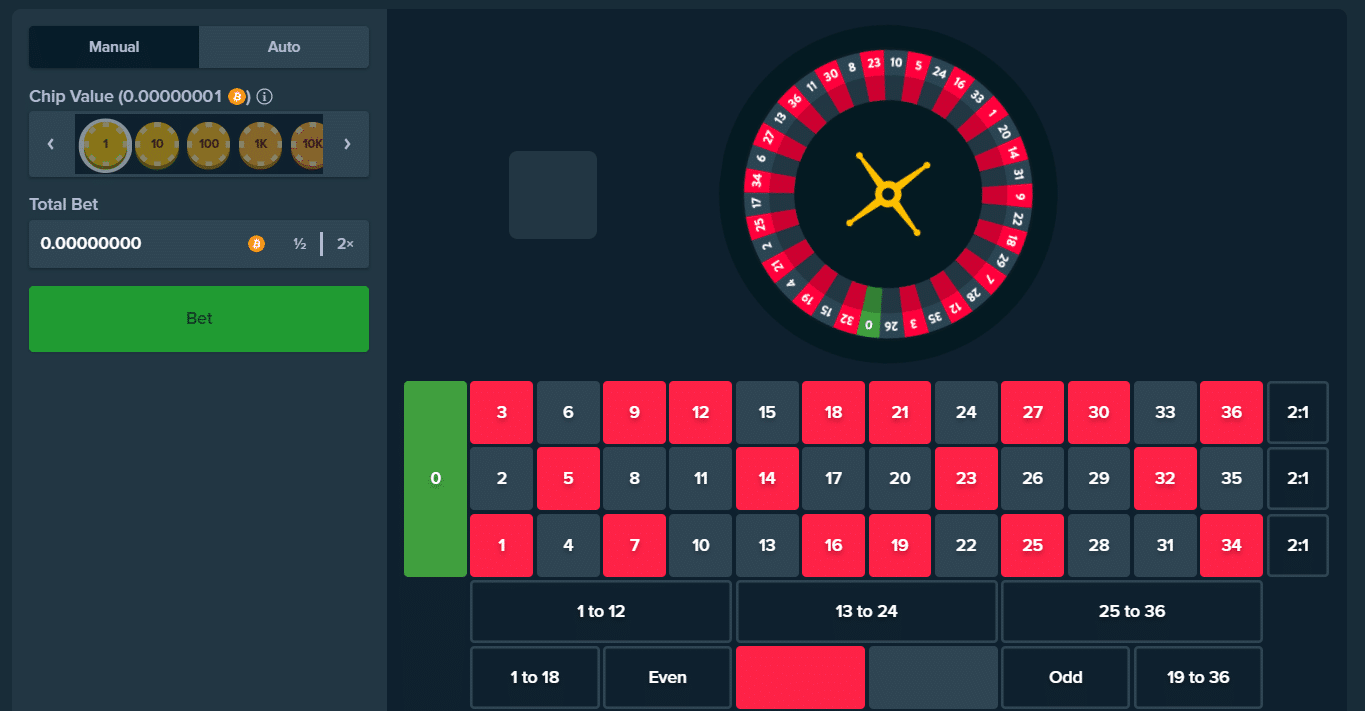
Browsing the layout, I noticed a purposeful absence of clutter that makes the experience unusually breathable. The site organization groups games, promotions, and support into distinct categories without needing a treasure map to locate essential features. I appreciate the understated use of gold accents against dark backgrounds, which produces a high-contrast environment that’s comfortable to view during the nighttime sessions many Canadians partake in during the winter months. The typography is clear, large enough to avoid squinting but not so oversized that it feels condescending, striking a sophisticated balance that indicates the target demographic is distinctly adult. I observed no broken links or orphan pages as I navigated the main categories, which indicates to me the quality assurance team diligently maintains the digital storefront with rigorous attention to structural integrity.
Responsive Mobile Design and Device Harmony Across Platforms
Testing the platform on a mid-range Android smartphone and an iPhone 15, I observed a smoothness that indicates a mobile-priority development approach. The web-based version of Casino Prestige transitions seamlessly into a mobile-optimized hub where thumb-friendly zones are optimally arranged for thumb-only navigation. I specifically scrutinized the slide-out menu on the mobile version, as this is where many other sites fall short by crowding too many links into a messy accordion. In this case, the menu items are displayed with generous padding, enabling my fingers to tap precisely without misclicking into adjacent sections. The game tiles adjust in real-time, maintaining aspect ratios and legibility even when I rotated the device abruptly. Battery consumption during a thirty-minute mobile session was remarkably good, sidestepping the overheating issues that plagues poorly optimized HTML5 portals.
App-Like Experience on Browser
What impressed me most is that I genuinely forgot I was playing through a browser rather than a native iOS application casinoprestigeonline.com. The Casino Prestige team has integrated advanced caching strategies that eliminate the address bar flashing and white screen delays typical of web-based casinos. Swipe controls to cycle through game categories feel buttery smooth, replicating the physical response one would expect from dedicated software. I ran a Lighthouse audit on the mobile platform and the Progressive Web App scores were outstanding, making sure that even Canadian players in remote areas with spotty LTE connections in places like Saskatchewan can keep a consistent session. The lack of a mandatory download is a massive convenience benefit, freeing up device storage while ensuring the shortcut icon
Game Load Speeds and Live-Play Stability
Performance under pressure is where Casino Prestige shows its infrastructure capability. I put to the test several high-definition real dealer tables at the same time, and the stream integrity stayed flawless with no frame drops or audio sync issues, despite my local network created deliberate delay. Launching a high-variance high-action slot like a cascading reel game finished in roughly two seconds, a timeframe that keeps the adrenaline flowing. I observed the memory footprint of the browser tab during a one-hour session and found no evidence of a memory leak, a technical flaw that often crashes mobile browsers but is missing here. The studio obviously uses content delivery networks with edge nodes situated near major Canadian internet exchange points in Toronto and Vancouver, explaining the quick asset delivery regardless of the game’s graphic demands.
Real Dealer Interface Options
Within the live casino segment, the user interface provides detailed control of the viewing experience without obscuring the betting grid. I had the option to adjust the video quality manually to prioritize resolution or stability, an essential toggle for Canadians with asymmetric bandwidth limits. The chat interface was easy to use, letting me to communicate with the croupier without inadvertently clicking on the bet placement area. The deck penetration indicators and roadmaps in baccarat were presented in strong contrast red and blue lines, gluing me to the statistical patterns without tiring my eyes. I never encountered a “round unavailable” error during my testing, indicating a reliable failover system that migrates my seat without interruption if a specific table experiences a dealer technical issue, thereby avoiding a abrupt exit to the lobby.
Browsing Logic and Game Discovery
Searching for a particular title within a large library is where the analytical evaluator in me feels thrilled about metadata management. The filter system at Casino Prestige is not merely a decorative checkbox. It acts as a functional command center. I tested the intelligent search bar by typing parts of provider names and niche slot titles, and the algorithm displayed results before I finished typing the third letter. The categorization extends beyond basic genres by presenting selected thematic collections that group games based on mechanics like “Megaways” or thematic tones like “Mythology,” which suits a Canadian audience whose tastes often lean toward adventure and nature-inspired narratives. I noted zero dead filters, a frustrating bug typical elsewhere where choosing a volatility level returns an blank shell, but in this case the inventory stayed solid regardless of the applied criteria.
Sorting by Provider and Regionalization
The power to separate games exclusively by software studio is a vital feature for experienced Canadian evaluators who recognize the different artistry of various creators. I valued the instant tiles for top providers, which saved me from manually typing names in a dropdown list. This direct linking between the front-end menu and the backend database reflects a well-optimized content management system. Additionally, the context-sensitive pop-ups that show up when pointing at a game thumbnail offer the game statistics I need, RTP values, payline configurations, and volatility levels, without forcing a page refresh. This open display of game math honors the intelligence of the user in Canada, where the market is moving toward highly informed play rather than sheer luck.
Onboarding Process and Efficiency of Onboarding
The registration process values the user’s time, a critical factor for Canadian players who prioritize data privacy and swift access. I tracked the registration sequence, and from the moment I clicked the join button to obtaining full lobby access, less than two minutes had passed. The form automatically detects regional specifics based on IP, automatically defaulting to Canadian currency formatting and managing local input norms without forcing me to scroll through endless country drop-downs. I was not once asked for redundant information. The team behind Casino Prestige clearly distinguishes between essential KYC data and marketing fluff. The email verification was immediate, arriving in my primary inbox rather than the spam folder, a technical detail many operators in the Canadian sphere overlook but which sets the trust baseline for the entire relationship from the very beginning.
Responsible Gaming Tools and Account Controls
The incorporation of safer play mechanisms into the user flow is applied less as a regulatory afterthought and more as a natural part of account hygiene. Modifying my personal limits did not need burrowing into a hidden settings abyss. It was easily accessible from the account drop-down. I examined the cool-off timer, which immediately restricted access to the live lobby after a self-selected interval, and the reactivation process was suitably strict, preventing impulsive reversals. The reality check pop-ups felt organic, appearing as subtle overlays rather than jarring full-page interrupts that shatter the immersion. For the attentive observer in Canada, where local authorities like AGCO and the Kahnawake Commission highlight player agency heavily, this effortless approach to safety demonstrates a sophisticated design philosophy that harmonizes entertainment with genuine care.
Assistance Integration and Contextual Help
I assessed the support scaffolding not as a separate department but as an integrated feature of the experience. The persistent help icon occupies a non-intrusive spot, and initiating a chat did not reload the page or break my live game state, a feature that seems simple but requires sophisticated state management. The live agent welcomed me with a reference to my specific device and browser, confirming an integrated ticketing backend that pre-populates diagnostic data. I liked the context-aware support articles that loaded dynamically based on the page I was viewing. While sitting in the cashier, the help widget automatically suggested topics on payout speeds and verification workflows. This predictive assistance reduces the friction of searching a knowledge base, guiding Canadian users to solutions without needing to explain their location or currency specifics repeatedly.
Financial Oversight and Transaction Clarity
Diving into the cashier section, I found the harmony between data security and navigational ease executed ideally. The deposit interface is remarkably clear, putting the numeric keypad at the center of the action and promptly adjusting my available balance in real-time as I finalized my transaction. Canadian Interac transfers are prominently prioritized, a non-negotiable convenience that shows the platform appreciates local banking preferences rather than presenting a generic international gateway. I examined the transaction history tab and was satisfied to see a complete audit trail with timestamps and status tags for pending versus cleared funds, permitting me to reconcile my bank statements effortlessly. The withdrawal queue featured a countdown clock next to the pending status, an excellent bit of UX psychology that manages expectations and reduces the anxiety of anticipating a payout.
Key UX Strong points as well as Subtle Pain Areas
Throughout periods real-world evaluation, your tester have distilled my observations into a organized evaluation concerning what Casino Prestige executes excellently as well as in which minor improvements could enhance the user journey. This site’s dedication on speed along with design clarity is truly praiseworthy, yet no digital product is without room for improvement. The tester noticed that, though the top navigation performs well, auxiliary menus lack the same level of refinement, occasionally needing an additional click to get back to the main lobby from deep inside a provider-specific filter view. These moments are scarce however evident to a reviewer actively hunting for inconsistencies. The global assessment, however, is highly positive in the context of the broader Canadian market environment, in which average quality in interface design remains still regrettably widespread.
To summarize my observations, I have structured the key features and the areas ripe for iteration into a detailed analysis that reflects my analytical methodology. This format allows me to evaluate the practical impact of each element on the daily experience of a Canadian player who appreciates both performance and design. The positives greatly exceed the drawbacks, but recognizing the full picture gives a impartial view that marketing content usually omits. I believe openness regarding small flaws strengthens the trustworthiness of the positive remarks I have made in this review.
- Remarkable loading speeds: Pages render in under three seconds even on throttled connections, thanks to fine-tuned CDN placement near Canadian metropolitan areas and lean asset compression that never compromises visual fidelity for speed.
- Intelligent localization: The platform automatically displays Interac as the principal payment method, shows CAD by default, and configures date formats to the Canadian standard without requiring hand-operated configuration from the visitor.
- Seamless mobile continuity: The web-based interface removes app store friction while providing native-quality responsiveness, complete with local caching for fixed resources and gesture-driven navigation that appears instinctive.
- Open game metadata: RTP percentages, volatility ratings, and payline counts are presented before game launch, enabling informed decisions that align with the analytical preferences of the current Canadian player.
- Slight navigation depth: Returning from a filtered game screen to the home lobby occasionally demands an additional click compared to a single-click home button, a subtle friction that a persistent breadcrumb trail could resolve elegantly.
- Customer service widget refinement: While smart suggestions are great, the support chat’s default minimized state could be marginally more prominent during error situations to proactively offer assistance before frustration grows.
Summarizing my thorough review, the UX platform crafted by Casino Prestige seems genuinely tailored to the Canadian audience, escaping the cookie-cutter design that drowns many international operators. From the rapidity of the Interac-ready payment section to the meticulous stability of the mobile app, each visual and functional aspect seems deliberate. The backend structure supporting fast loads and the thoughtful arrangement that puts data privacy within a single click together create a virtual setting where I could focus purely on the strategic pleasure of the gameplay instead of struggling with the UI. It is a rare instance where the infrastructure silently boosts the adrenaline without ever demanding the spotlight for itself.