
Understanding Nerve Pain and Topical Solutions
Nerve pain, or neuropathic pain, is a complex condition characterized by abnormal sensations—ranging from tingling and "pins and needles" to sharp, shooting, or burning pain. Two of the most common forms are peripheral neuropathy, which affects the nerves outside the brain and spinal cord, and sciatica, which involves irritation or compression of the sciatic nerve. These conditions are often chronic, making them difficult to manage with a single approach.
While the root causes of nerve pain can be varied—including diabetes, injury, or inflammation—the symptoms themselves require targeted relief. Many people initially rely on oral supplements, vitamins, and systemic medications. However, the body’s metabolism can often break down these compounds before they reach the specific nerves that need help. This limitation highlights a critical need for treatments that can bypass the digestive system.
This is where the concept of transdermal absorption becomes crucial. Transdermal delivery means that a substance is absorbed through the skin, allowing it to enter the bloodstream directly and locally. For nerve pain, this localized approach is highly beneficial because it allows the active ingredients to concentrate precisely where the pain signals are originating—the skin and underlying tissues.
Topical solutions, such as hemp creams, are designed to maximize this absorption. Instead of simply treating the symptoms systemically, these creams deliver potent anti-inflammatory and calming compounds directly to the affected nerve pathways. Hemp, specifically, contains cannabinoids like CBD, which are known for their ability to modulate the body's endocannabinoid system. This system plays a vital role in regulating pain, immune response, and overall nerve health.
When choosing a topical remedy, quality and concentration are paramount. Look for creams that list multiple active ingredients, as a combination approach often yields better results. Furthermore, check the carrier oils and ensure the product is formulated for deep penetration. If you are managing severe pain, consider consulting a healthcare provider to ensure the cream is appropriate for your specific condition and doesn't interact with existing medications.
The Science Behind Hemp: How Does It Work for Pain?
Understanding how hemp cream works requires diving into the body's complex internal communication system: the endocannabinoid system (ECS). This system is not just about "getting high"; it is a crucial regulatory network that helps maintain balance (homeostasis) in the body, particularly in areas prone to inflammation and nerve damage.
The primary active compounds in hemp, particularly cannabidiol (CBD), are believed to modulate this ECS. Instead of simply blocking pain signals, CBD interacts with various receptors throughout the body—including those found on nerve endings. By modulating these receptors, CBD helps to normalize the body's inflammatory response. For nerve pain, which is often rooted in chronic inflammation and over-sensitization, this modulation is key.
Beyond the ECS, hemp cream delivers potent anti-inflammatory agents. Nerve pain, or neuropathy, is frequently exacerbated by localized inflammation. The natural compounds in hemp act to calm this inflammatory cascade, reducing the swelling and irritation that irritate the surrounding nerves. This dual action—calming the inflammation while stabilizing the nerve signals—is what makes it a targeted approach for nerve pain.
When comparing hemp to traditional pain relievers, it’s important to note that they often address symptoms differently. Traditional drugs (like NSAIDs) are powerful anti-inflammatories that target the symptoms, while hemp aims to address the underlying regulatory system. This makes hemp a potentially complementary option, especially for those who experience gastrointestinal upset or side effects from oral medications.
Buying Advice: Since the efficacy depends heavily on the concentration and delivery method, always check the product label. Look for creams that specify the concentration of CBD and include natural, penetrating carrier oils (like jojoba or coconut oil) to ensure the active ingredients can actually reach the deeper tissues where the nerve irritation is occurring.
Choosing the Right Hemp Cream: Key Ingredients and Potency
When selecting a hemp cream for nerve pain, understanding the composition is far more important than focusing solely on the "hemp" aspect. The cream itself is a delivery system, and its efficacy depends on the synergy between its core ingredients and the potency of the hemp extract.
Ingredient Deep Dive: Beyond CBD
While CBD is the most recognized component, effective nerve pain management often requires a multi-ingredient approach. Look for creams that include supporting compounds. Magnesium, for instance, is a critical mineral often recommended for nerve health, as deficiencies can exacerbate pain. Similarly, creams containing natural anti-inflammatories like arnica or turmeric can provide localized support. Always check the label to ensure the ingredients are bioavailable—meaning your body can actually absorb and utilize them.
Understanding Potency and Delivery
Potency is not just about the total milligrams of CBD; it’s about the concentration and the form of the extract. Some creams use oil-based extracts, while others use liposomal formulations, which are designed to enhance absorption through the skin. For deep-seated nerve pain, a cream with a higher concentration of CBD (and ideally, a clear understanding of the ratio of CBD to other cannabinoids like CBG) is generally more effective.
Practical Buying Advice
To ensure you are getting the best value and results, keep these three criteria in mind:
- Absorption Method: If your pain is deep, look for creams marketed with advanced delivery systems (like liposomal or penetrating formulas).
- Standardization: Always check the Certificate of Analysis (COA). A reputable brand will provide a COA, which verifies the exact concentration of CBD and confirms the absence of heavy metals or contaminants.
- Consistency: Since nerve pain is chronic, look for creams that are formulated for consistent, long-term use, rather than just acute relief.
By prioritizing ingredient synergy and verifiable potency over marketing hype, you can select a hemp cream that genuinely supports your nerve pain management goals.
Frequently Asked Questions (FAQ)
Q: How quickly does hemp cream for nerve pain actually work? A: The effectiveness of hemp cream can vary significantly depending on the individual, the severity of the nerve pain, and the specific formulation of the cream. For some people, they report feeling a noticeable reduction in discomfort within the first few days of consistent use. Others may need several weeks to realize the full benefits. It’s important to view hemp cream as a supportive therapy, not a quick fix. Consistency is key, so incorporating it into a regular routine alongside other treatments (like physical therapy or heat) usually yields the best results.
Q: Is hemp cream safe to use on broken skin or open wounds? A: Generally, hemp cream is well-tolerated, but it’s always best to patch test first. If you have broken skin, open wounds, or active infections, consult your doctor before applying any new product. If the skin is compromised, the cream might irritate the area or be absorbed too quickly to be effective. Always keep the skin barrier intact for optimal absorption.
Q: What should I look for when choosing the best hemp cream for nerve pain? A: When shopping, don't just look at the "hemp" label. Look at the full ingredient list. A high-quality cream should contain more than just hemp; it often includes synergistic ingredients like arnica, menthol, or capsaicin, which are known for their localized pain-relieving properties. Also, check the concentration of CBD (if applicable) and ensure the product is formulated for topical absorption, not just general moisturizing.
Q: Can I use hemp cream for nerve pain if I am taking other medications? A: Absolutely, but you must inform your healthcare provider. Since hemp products, especially those containing CBD, can interact with various medications (including blood thinners and anti-seizure drugs), it is crucial to get professional medical advice. Your doctor can monitor your levels and ensure the cream is safe alongside your current regimen.
Buying Advice: When purchasing, consider the delivery method. If your pain is deep, look for creams that are designed to penetrate deeply. If you are buying in bulk, look for brands that offer a clear explanation of their sourcing and third-party testing results, as this indicates product purity and potency.
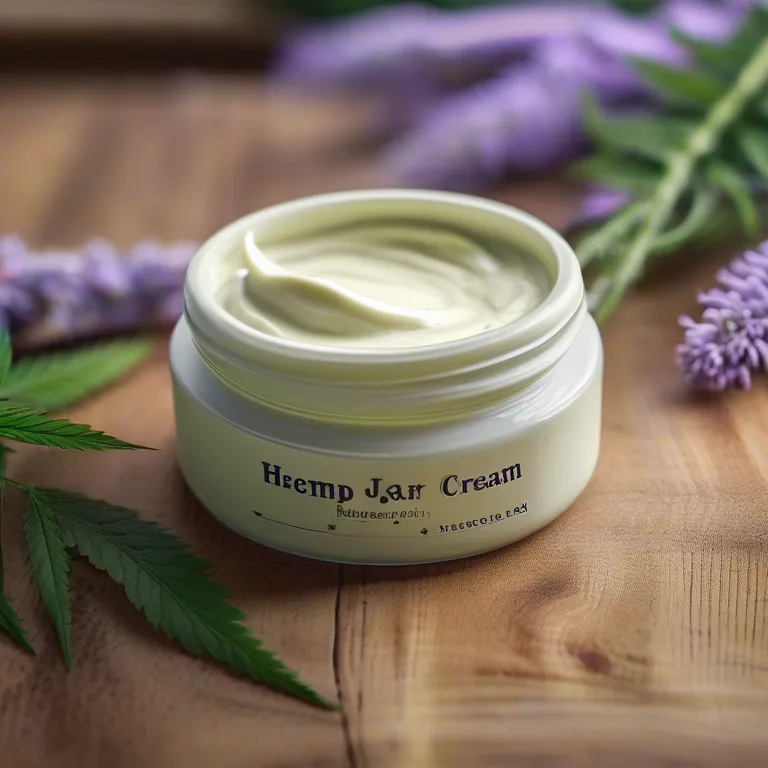
Final Buying Advice: Finding Your Perfect Pain Relief Routine
Choosing the right hemp cream for nerve pain isn't about finding the single "best" product; it's about matching the cream's formulation to the intensity and type of pain you are experiencing. To build an effective routine, you must first accurately assess your pain level.
For Mild, Daily Discomfort: If your nerve pain is a low-grade, persistent ache, a lighter, daily-use cream is ideal. Look for formulations that are easily absorbed and contain ingredients like arnica or ginger alongside the hemp extract. These creams are designed for consistent, preventative care. Buying advice here centers on consistency—choose a brand with good bioavailability and a light, non-greasy finish so you are more likely to apply it regularly.
For Moderate, Flare-Up Pain: When the pain is noticeable and flares up periodically, you need a cream with stronger, targeted ingredients. Consider products that incorporate higher concentrations of CBD alongside natural anti-inflammatories like turmeric or capsaicin. These formulations are designed to provide a more immediate, noticeable cooling or warming effect. When shopping, check the ingredient list for synergistic pairings; the combination of ingredients is often more important than any single one.
For Severe, Acute Pain: If your nerve pain is severe, debilitating, or accompanied by significant inflammation, hemp cream should be viewed as a powerful adjunct therapy, not a standalone cure. In these cases, you need the highest potency available, often requiring a cream that can be massaged deeply into the affected area. Always look for products that offer a blend of high-grade CBD and other potent compounds like magnesium or MSM. Crucially, when dealing with severe pain, always pair the cream with other modalities—such as physical therapy or prescribed medication—and discuss the cream's use with your healthcare provider.
The Bottom Line: Building Your Routine Remember that the cream is only one part of the solution. For maximum effectiveness, your routine should be holistic. Start by identifying your pain severity, then select a cream that matches that need. If you are unsure, start with a reputable, well-reviewed product and track how your body responds. If the initial cream doesn't provide enough relief after two weeks, don't assume the product is bad—adjust your application frequency, massage technique, or consider moving up to a stronger formulation.