
Local Buying Options: Where to Find CBD Oil Near You
The best place to buy CBD oil depends entirely on your priorities: speed, budget, or quality assurance. Since the "near me" intent is critical, we’ve broken down the three most common purchasing methods to help you decide where to shop.
1. Local Dispensaries (The In-Person Experience) If you are new to CBD or want expert advice, local dispensaries are often the best starting point. They allow you to physically inspect products, speak directly with knowledgeable staff, and compare different strains and concentrations.
- Pros: Immediate consultation, hands-on quality check, and local support.
- Cons: Prices can be higher, and selection can vary widely depending on the dispensary's inventory.
- Buying Advice: Always ask the staff about the product's extraction method and third-party testing documentation.
2. Online Retailers (The Convenience Option) For those who know exactly what they want, or who are comparing multiple brands, online retailers are unmatched in convenience and selection. You can compare prices and read extensive reviews from thousands of users.
- Pros: Vast selection, competitive pricing, and the ability to compare multiple brands simultaneously.
- Cons: You cannot physically inspect the product, and shipping times can be unpredictable.
- Buying Advice: When shopping online, prioritize sites that provide clear documentation of their sourcing, testing protocols (e.g., Certificate of Analysis or COA), and guarantee a full refund if the product doesn't meet expectations.
3. Retail Drugstores and Vitamin Shops (The Quick Fix) These locations are ideal for impulse buys or for those who need a quick, accessible option without leaving their routine shopping path.
- Pros: Extreme convenience, often good for budget-friendly entry-level products.
- Cons: Selection is usually limited, and the quality control can be inconsistent. These stores often carry a mix of CBD products, making it hard to determine the best quality source.
- Buying Advice: Use these shops for basic, low-dose oils, but if you are seeking therapeutic results, consider them a stepping stone rather than the final destination.
Actionable Tip: Use a Local Directory To streamline your search, we highly recommend integrating a map or local directory widget directly into this section. This allows users to input their zip code and instantly see a list of nearby options, categorized by type (Dispensary, Online, Retail), providing the most immediate and practical answer to the "buy cbd oil near me" query.
Understanding CBD Oil: Types, Potency, and Strains
Before you buy CBD oil, it’s crucial to understand that "CBD oil" is an umbrella term covering several different products. Not all CBD oils are the same, and choosing the right type depends entirely on your health goals and desired effects.
Knowing Your CBD Types The most common distinction is between the spectrum of cannabinoids included in the oil:
- Full-Spectrum: These oils contain the highest concentration of beneficial compounds, including CBD, along with other minor cannabinoids (like CBG and CBN) and trace amounts of THC. This "entourage effect" is often cited as maximizing the overall therapeutic benefit.
- Broad-Spectrum: These oils offer a curated blend, providing the benefits of the full spectrum but often filtering out the psychoactive THC, making them ideal for those who need CBD benefits without the "high."
- CBD Isolate: This is the purest form, containing only CBD. If you are looking for a highly standardized dose of CBD and minimal other compounds, isolate is the best choice.
Decoding Potency and Delivery Beyond the spectrum, pay attention to these key metrics:
- THC Content: If you are concerned about getting high, look for products labeled "low-THC" or "delta-9 THC-free." If you need the full effect, a higher THC percentage might be necessary.
- CBD Concentration: This tells you the purity and strength of the active ingredient.
- Carrier Oils: The oil base (like hemp seed oil or coconut oil) affects absorption and taste.
Choosing Your Format The delivery method should match how you prefer to take your supplement. Are you looking for a liquid tincture for quick absorption? A gummy for a convenient, palatable dose? Or a topical oil for localized relief? Understanding your preferred format helps ensure consistent usage and compliance with your routine.
Buying Advice: When starting out, it is often safest to consult with a healthcare provider or knowledgeable retailer. If you are unsure, starting with a broad-spectrum oil is a great way to sample the full range of benefits without committing to a specific, narrow profile. Always check the label for third-party lab reports to ensure purity and accurate dosing.
Choosing the Right CBD for Your Specific Needs (Use-Case Guide)
The CBD market is vast, and what works for one person may not work for another. Instead of buying a general-purpose bottle, approach your purchase by identifying your primary goal. Understanding your specific need allows you to pair CBD with synergistic ingredients for maximum effect.
For Sleep Support: If insomnia or restless nights are your main concern, look for products formulated with melatonin. Melatonin is a natural hormone that signals the body it’s time to rest. Start with a lower dose of CBD (10-20mg) combined with melatonin (3-5mg) to gently guide your body into sleep.
For Anxiety and Stress Relief: When the goal is calming the nervous system without sedation, focus on ingredients like L-theanine. L-theanine is an amino acid known for promoting "alert relaxation." Pair a moderate dose of CBD (20-40mg) with L-theanine to achieve a state of calm focus rather than just drowsiness.
For Pain Management: If your focus is on physical discomfort, look for oils that emphasize anti-inflammatory compounds. CBD itself has anti-inflammatory properties, but pairing it with other natural aids like turmeric or ginger can boost its effect. Start with a higher dose (40-80mg) and monitor how your body responds.
For General Wellness: If you are simply looking to maintain overall balance and support daily function, a balanced, full-spectrum oil is best. These oils contain a wider range of cannabinoids and terpenes, offering broad-spectrum support. A starting dose of 25-50mg is usually sufficient for general maintenance.
Buying Advice: Never assume the label is enough. When you buy CBD oil near you, always check the product’s third-party lab reports. These reports confirm the actual CBD concentration and ensure the product is free of heavy metals and contaminants. If the product is full-spectrum, it generally offers the most comprehensive support.
Vetting Quality: What to Look for Before You Buy
When you’re ready to buy CBD oil near me, the sheer volume of products can be overwhelming. The biggest challenge isn't finding a product, but finding a safe and effective product. To reduce buyer risk and ensure you are getting your money's worth, you must become a savvy consumer. Here is a breakdown of the critical elements you need to vet before making a purchase.
1. The Non-Negotiable: Third-Party Lab Testing (COA) Never buy a product without knowing its contents. The most crucial piece of documentation is the Certificate of Analysis (COA). This report, ideally provided by an independent, third-party lab, confirms the product's potency, purity, and cannabinoid profile. Always look for the COA to verify that the CBD content matches the label claims and that the product is free from unwanted additives.
2. Identifying Hidden Dangers: Contaminants and Toxins CBD is natural, but the extraction process can introduce contaminants. Ask—or look for documentation confirming—testing for heavy metals (like lead and mercury), residual pesticides, and mycotoxins. A reputable brand will proactively test for these potential contaminants, giving you peace of mind.
3. Understanding the Extraction Process The method used to pull the CBD from the plant matters. The two most common methods are CO2 and ethanol. CO2 extraction is often preferred because it is non-polar and generally considered gentler on the delicate compounds, while ethanol extraction is highly effective but requires careful purification. Understanding the method helps you gauge the quality of the initial extraction.
4. Beyond Potency: Bioavailability and Absorption It’s not enough to just know the milligram count. Bioavailability refers to how much of the CBD actually enters your bloodstream and becomes available to your body. Factors like the oil's carrier oil, the ratio of CBD to other cannabinoids (like CBG or CBN), and the overall formulation can impact absorption. When buying, look for brands that explain why their formulation is designed for optimal uptake.
Buying Advice: Don't just buy the cheapest option. Prioritize transparency. The best brands are those that are willing to be fully transparent about their sourcing, testing, and formulation. If a brand is vague about its COA or extraction process, it’s a red flag.
Frequently Asked Questions About CBD Oil
How long does CBD take to kick in? The onset time for CBD varies significantly depending on the product's formulation, the method of administration, and individual metabolism. Generally, when taken orally (like oil), CBD can take anywhere from 30 minutes to a few hours to reach peak effectiveness. For faster relief, some users find sublingual tinctures or vaping products more immediate, but consistency is key. Always start with a lower dose and wait at least a week to gauge its full effect.
Is CBD legal everywhere? CBD is legal in most places, but its legality can be complex and varies by state, country, and even municipality. The primary concern is often the THC content. Ensure that any product you buy is tested to confirm it is compliant with local regulations and does not exceed legal THC limits. When you are looking to buy CBD oil near me, always verify that the retailer is reputable and that the product carries necessary certifications.
What is the recommended daily dosage? There is no single "magic number" for CBD dosage, as the optimal amount depends entirely on the condition being treated, the individual's body weight, and their metabolism. Most experts recommend starting low and going slow. Begin with a lower dose (e.g., 10–15mg) and gradually increase it over several days until you find the point of diminishing returns or the ideal level of relief. It is always better to start too low and increase, rather than starting too high.
Can I take CBD with other medications? Yes, you absolutely can, but you must be cautious. CBD is known to interact with several medications, particularly those metabolized by the liver (like blood thinners, anti-depressants, and certain heart medications). Because CBD can affect how your liver processes drugs, it can either increase or decrease the effectiveness of your prescribed medications. Always consult with your primary care physician or a pharmacist before adding CBD to your routine to ensure there are no dangerous interactions.
How do I know if the CBD oil I buy is pure? This is perhaps the most critical question. Never buy CBD oil without knowing what’s in it. Look for products that provide third-party lab reports (Certificate of Analysis, or COA). These reports confirm the actual CBD concentration, verify the absence of heavy metals, pesticides, and unwanted fillers, and ensure the product is what the label claims it is. When you are searching to buy CBD oil near me, prioritize local dispensaries or reputable online retailers that provide these detailed reports.
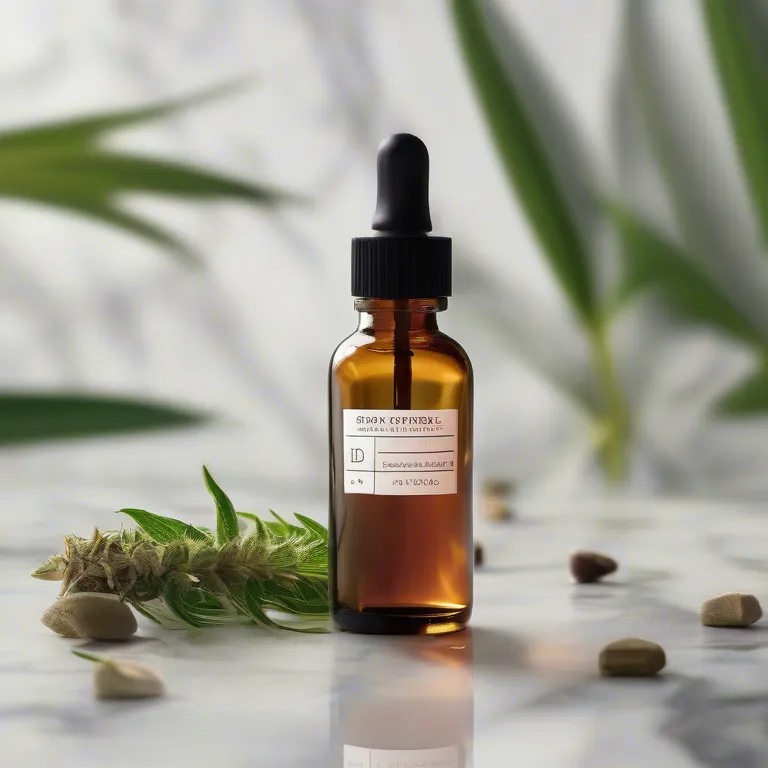
Final Buying Advice: Making the Perfect CBD Purchase
The CBD market is vast, and choosing the right product can feel overwhelming. Instead of focusing on the sheer number of options, focus on your specific needs. By understanding your goals—whether it's sleep, anxiety relief, or general wellness—you can narrow down the perfect product and ensure you get the best value.
To simplify your decision, consider this quick guide:
| If your goal is... | Choose this product type... | Why it works best |
|---|---|---|
| Quick, immediate relief | Tinctures (sublingual) | Fast-acting and easily absorbed under the tongue. |
| Long-term, consistent wellness | Edibles or bath soak | Provides sustained, systemic absorption over time. |
| Targeted joint or muscle pain | CBD cream or balm | Allows for localized application directly to the affected area. |
| General anxiety and mood support | Full-spectrum oil | Offers a broader range of cannabinoids and terpenes for comprehensive support. |
Your Pre-Purchase Checklist
Before you click 'buy,' run through this quick checklist to ensure you are making an informed, safe purchase:
- Check the Potency: Does the product list the CBD concentration (mg) per dose? Never buy based on vague claims.
- Verify the Source: Look for third-party lab reports (COAs). This confirms the product is accurately labeled and free of contaminants.
- Consider the Ratio: If you are buying full-spectrum, check the ratio of CBD to other cannabinoids (like CBG or CBN). Different ratios target different effects.
- Read the Instructions: Understand how often and how much to take. Dosage is everything when it comes to CBD.
Ready to Commit?
Making the perfect CBD purchase is about matching the right product to your lifestyle and needs. If you are still unsure which format—oil, tincture, or edible—is best for your specific condition, don't guess.
Take the next step with confidence. Either use our free consultation tool to speak with a CBD expert who can guide you, or browse our curated selection of top-rated, lab-tested products available for immediate purchase.